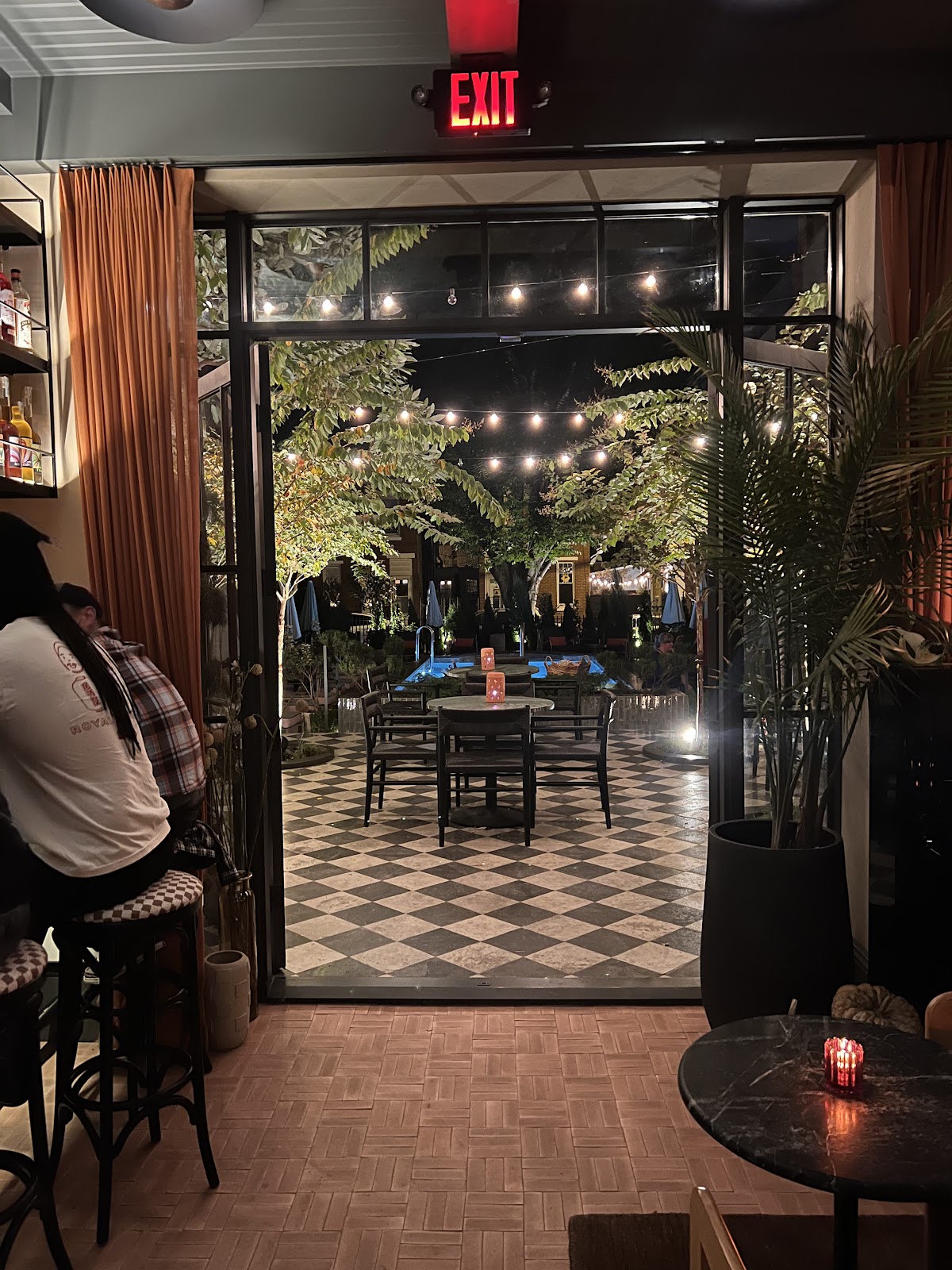
Bastia opened in 2024 and immediately fractured Philadelphia's food establishment into warring camps. Jason Sheehan at Philadelphia Magazine declared it flawless, ending his year at a table there and describing swordfish brochettes with black rice and walnut pesto as potentially the best he'd ever tasted. The Infatuation countered with a 'Not Recommended' rating, calling the same ambitious cooking "utterly perplexing" and certain dishes "completely putrid in taste and smell." Esquire named it one of America's best new restaurants. The disagreement isn't a matter of perspective—it's a collision of fundamentally different assessments of the same food.
What makes this schism worth examining is that both camps aren't wrong about what they experienced. Sheehan's assessment of technical precision and the restaurant's commitment to Mediterranean ingredients feels earned. The Infatuation's frustration with inconsistent execution is equally valid. Bastia sits in that uncomfortable middle ground where ambition doesn't guarantee results, where high-quality raw materials don't prevent a dish from missing badly. Chef Tyler Akin is cooking with conviction—sea urchin butter on tartine, herbed pork belly with roasted new potatoes, storzapretti ricotta dumplings with guanciale—but conviction alone doesn't make every plate sing.
The real question isn't whether Bastia is good or bad. It's whether you trust your own palate enough to find out. The restaurant has built something polarizing, which is infinitely more interesting than building something safe. The swordfish might be transcendent. The execution might confuse you. Both outcomes are on the table, literally.
Philadelphia doesn't need another consensus restaurant. We need places that make us argue, reconsider, and return determined to understand what we're actually tasting. Bastia has earned that much.