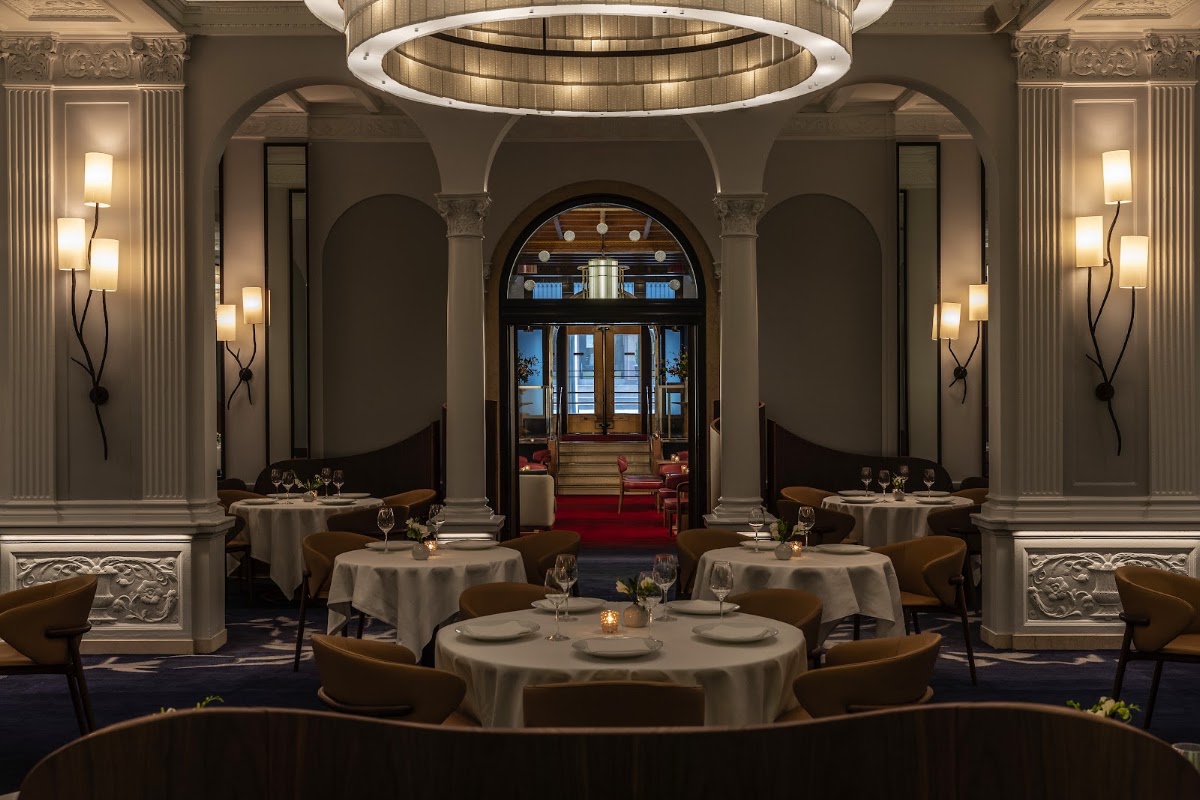
There's a particular sting to watching a restaurant fall from grace in real time. Daniel, Chef Daniel Boulud's flagship on the Upper East Side, experienced that sting acutely this year when the Michelin guide demoted it from two stars to one. For those keeping score, this marks the restaurant's descent from three stars—a collapse so dramatic that it now stands as the most stunning fall from grace in New York fine dining.
The question hanging over the dining room is whether this demotion reflects genuine slippage or something more complicated about how Michelin evaluates legacy establishments. The seafood fricassee still arrives carefully composed. The bison dish remains precise. The cheese selection showcases real curation. Food bloggers who've eaten there recently remain convinced the restaurant deserves three stars, with some even mentioning their disappointment to servers who, apparently, weren't hiding their own frustration at the verdict.
What makes Daniel's situation particularly revealing is the gap between what critics observe on the plate and what Michelin's inspectors have concluded. This isn't a restaurant that's gone to seed—it's a restaurant that may simply feel out of step with where fine dining has moved. The criticism that "it can feel a bit dated if you've already moved on to eating caviar on tater tots" captures something real about contemporary food culture: the tension between classical excellence and novelty for novelty's sake.
Daniel matters right now because it forces us to ask what these stars actually mean anymore. Is Michelin measuring technical skill and ingredient quality, or is it measuring cultural relevance? Is the restaurant genuinely diminished, or has the guide simply decided that classical French fine dining—no matter how well executed—doesn't merit the highest recognition in 2024? The answers to those questions matter far less than the fact that we're not entirely sure what we're supposed to be asking.
For diners, this demotion is actually useful intelligence. Daniel remains a serious restaurant with serious cooking. The tasting menu still demands attention. The white cosmopolitan still works as a pre-dinner drink. But now you can visit with clear eyes: you're not paying for Michelin validation or legacy status. You're paying for what's actually in the glass and on the plate, which, for many people, has always been enough.