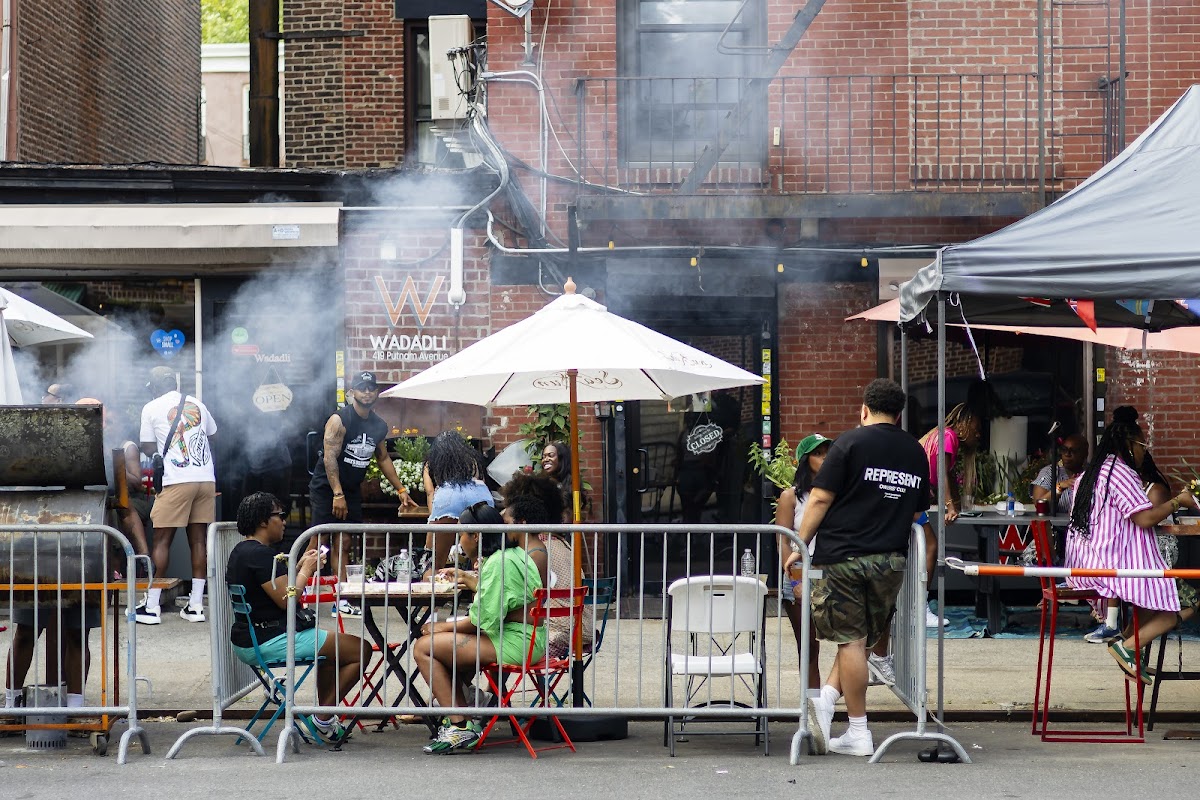
There's a particular irony in watching a restaurant achieve overnight success after four years of steady, unheralded work. Wadadli, a small Antiguan restaurant in Brooklyn, experienced exactly this collision of timing and fortune when Taste Buds creators Dillon Davis and Nichols Neff featured the restaurant in their weekly country-by-country food series. What could have been a fleeting TikTok moment instead became something more durable: a genuine partnership between content creators and restaurant owners, one that speaks to how digital platforms are reshaping the way New Yorkers discover food.
The Taste Buds phenomenon operates on a simple but effective formula. Each week, Davis and Neff visit a different restaurant representing a new country's cuisine, and their 400,000-plus followers tune in like they're watching a prestige television series. But what distinguishes them from other food content creators is the absence of cynicism. They sit down, they eat slowly, they ask real questions about technique and origin. When they returned to Wadadli to celebrate the restaurant's four-year anniversary, it felt less like a contractual obligation and more like visiting friends who happen to make exceptional food.
The oxtail at Wadadli is a masterclass in patience and spice. The meat falls from the bone with barely any resistance, having surrendered completely to hours of braising in a sauce that balances heat, earthiness, and something floral that might be cilantro or might be something more elusive. It arrives alongside rice and peas—the combination of pigeon peas and coconut rice that forms the backbone of Antiguan cooking. This is not trendy island fare designed for Instagram aesthetics. This is food that tastes like it knows exactly who it's feeding.
What elevates Wadadli beyond the viral moment is the consistency of execution across the menu. The jerk chicken carries genuine smoke and heat without veering into the one-note spice trap that lesser restaurants fall into. The Rasta Pasta, a vegetable-forward creation with reggae-era spiritual undertones baked into its name, actually justifies its playfulness through flavor. The mac and cheese is not some artisanal deviation—it's the comforting, cheese-heavy version that belongs on a Caribbean table, a dish that acknowledges cultural exchange without apology.
TikTok's role in Wadadli's ascent matters because it demonstrates something the restaurant industry has been slow to admit: authentic, well-executed food doesn't need gimmicks to go viral. The Taste Buds' genuine enthusiasm for what they encountered at Wadadli—the real friendships they built—translated to their audience in a way that performative excitement never could. Four years of cooking for the people who would find them anyway has now become four years of cooking for a much larger audience that discovered them precisely because the quality was already there. Wadadli didn't change when the cameras arrived. That's why the cameras came.