For thirty-eight years, Le Bernardin has occupied a rarefied space in New York dining: the restaurant you visit not because it's good, but because it's Le Bernardin. The three Michelin stars and four New York Times stars aren't aspirational markers—they're institutional facts, as permanent as the restaurant's French seafood mandate. But somewhere between the slowly baked salmon and the lobster-and-scallop combinations, something corroded. The restaurant that once set the standard for technical precision now sends diners home with typos on their menus and service so inattentive it borders on negligent.
The declining details are harder to excuse than a single mediocre dish. A typo on a menu at a three-star restaurant isn't a minor oversight—it's evidence that no one in the kitchen, front of house, or management was paying attention. It suggests a restaurant so confident in its pedigree that it has stopped checking itself. The eight-course chef's tasting menu, which should represent the restaurant's finest work, instead reveals a kitchen that is simply no longer executing at the level its reputation demands. Classic French seafood can be timeless, but it cannot coast.
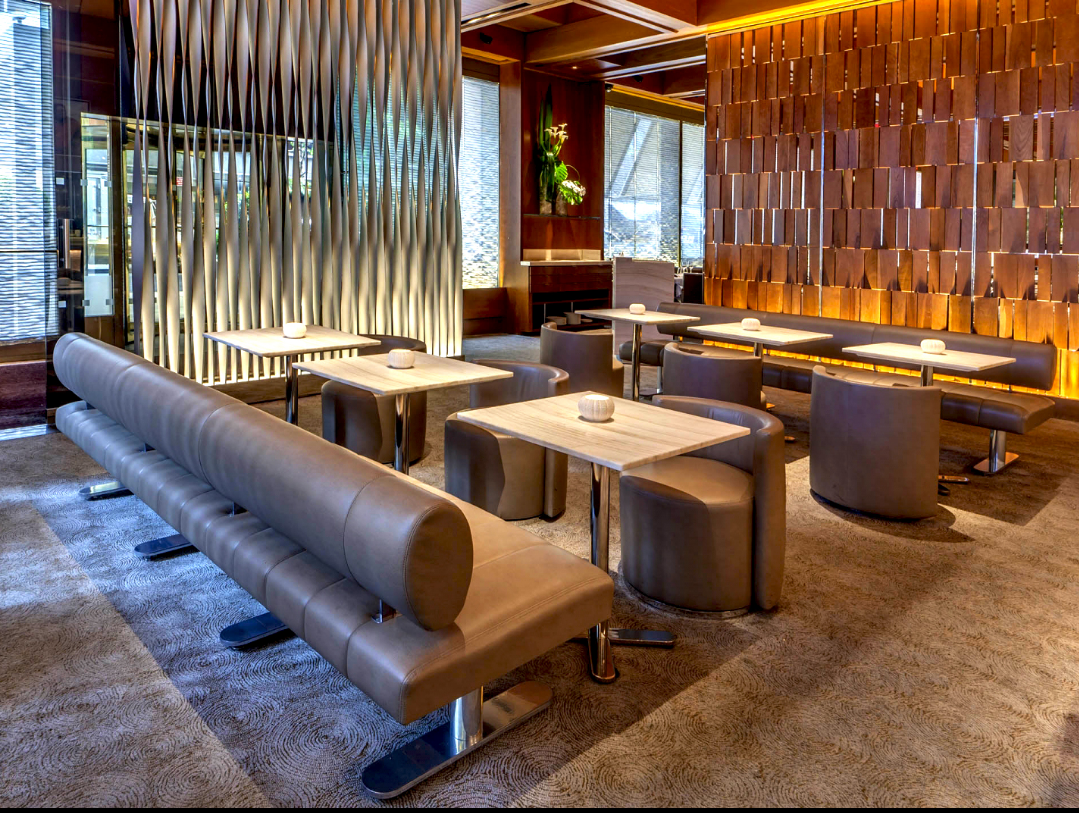
Where the divide becomes most acute is between what Le Bernardin was built to be and what diners now experience. The restaurant doesn't innovate—it doesn't push. If you're seeking boundary-pushing technique or the kind of punchy, memorable flavors that justify a $300 dinner, Le Bernardin will disappoint. What remains is the ghost of excellence: the bread with butter arrives as it always has, the dining room still looks the part, and the name still opens doors. But ghosts don't deserve Michelin stars.
The real crisis at Le Bernardin is philosophical. The restaurant faces a choice: recommit to the obsessive attention to detail that earned those stars in the first place, or accept that it has become a monument to its own history rather than an active kitchen. Right now, it appears to be doing neither—simply resting on a foundation that no longer supports it. For a restaurant of its stature, that's not just a decline. It's a betrayal.