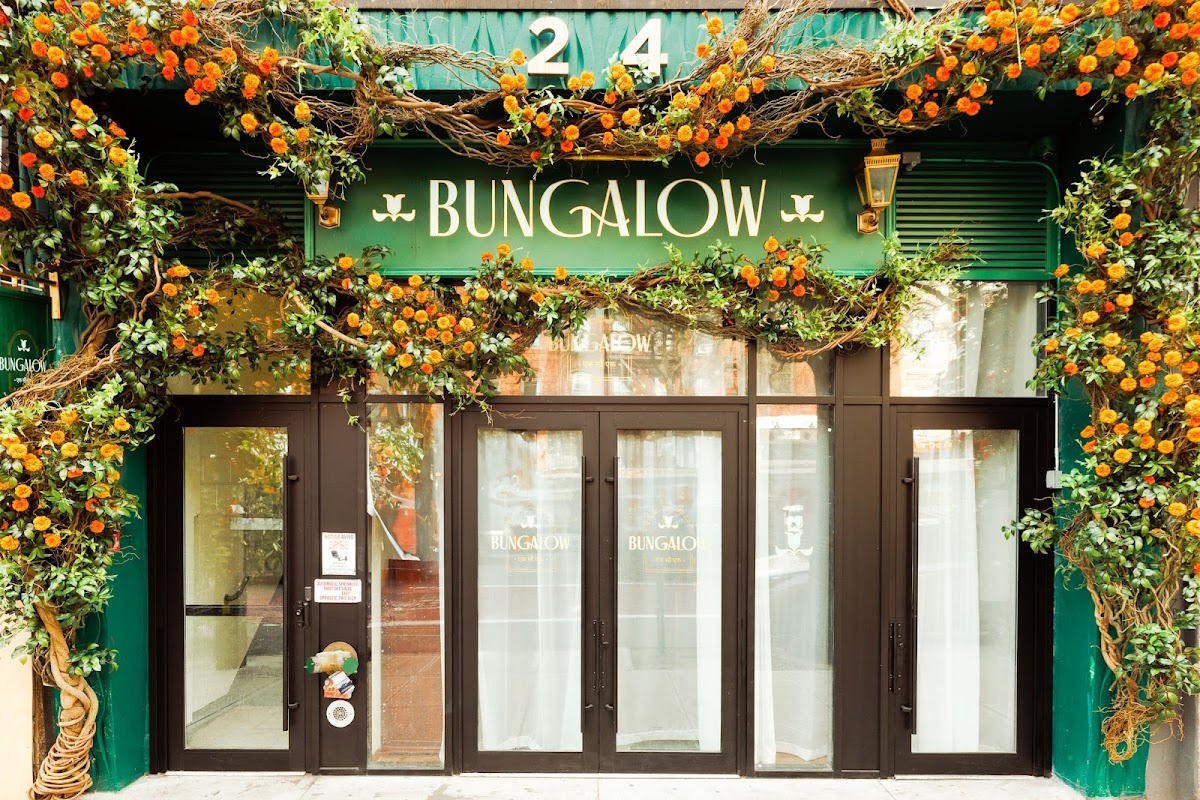
When the New York Times gave Bungalow three stars in August 2024, interim critic Priya Krishna called it a 'seismic shift' in Indian cuisine. The review positioned Vikas Khanna's restaurant as a sophisticated exploration of regional Indian cooking, where dishes like Purple Sweet Potato Chaat and Yogurt Kebabs demonstrated the creative possibilities contained within the cuisine's traditions. Michelin recognition followed. By all institutional measures, Bungalow is a success. And yet, the restaurant has become one of the city's most polarizing dining experiences—a place where the gap between critical reception and actual diner experience has grown uncomfortably wide.
Scroll through social media and you'll find a different story. Diners describe the food as inedible and bland. One reviewer, who counts Indian food among their top three cuisines, walked away deeply disappointed. These aren't uninformed takes from casual eaters. They're people who know the cuisine, who came with real expectations, and left feeling misled. The Five Cheese Kulcha, Daal Bungalow, and Anarkali Chicken—dishes designed to showcase Khanna's refined interpretations—have become flashpoints of disagreement, not agreement.
This divide matters because it suggests something broken in how we currently evaluate Indian restaurants in New York. Critics like Krishna are evaluating innovation, technique, and conceptual coherence. They're asking: does this represent an interesting direction for Indian cooking? Meanwhile, diners are asking a simpler question: does this taste good? These aren't the same question, and when they diverge this dramatically, something is worth examining. Bungalow's reputation as a 'seismic shift' has collided head-on with the reality of plates that leave people unsatisfied.
The restaurant's existence isn't the problem—ambitious reinterpretations of Indian cuisine deserve a place in the city. The problem is the distance between what critics claim Bungalow achieves and what many people actually experience there. Three stars can't close that gap. Michelin recognition can't either. What Bungalow really represents is a moment of reckoning: a reminder that institutional credibility and actual satisfaction are not the same thing, and that the most interesting question about a restaurant isn't whether it's innovative—it's whether it's worth your money and your time.