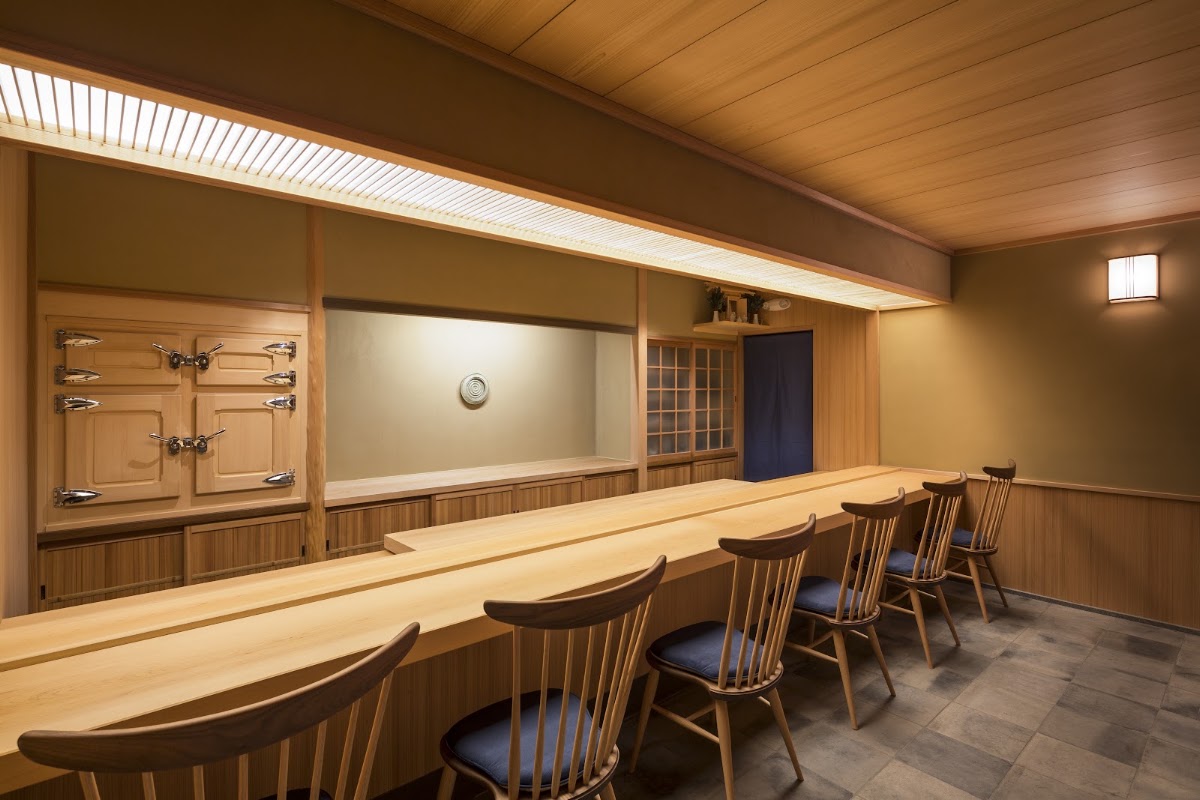
Sushi Noz occupies a peculiar corner of New York's fine dining landscape: a two-Michelin-starred temple to traditional Japanese sushi where the fish is undeniably exceptional and the technique uncompromising, yet where diners increasingly arrive with a question that has nothing to do with rice temperature or knife cuts. Are the portions smaller if you're a woman?
The allegations, which gained traction on social media, cut to the heart of what makes ultra-luxury omakase so fraught right now. At $495 to $700 per person, the price is already stratospheric. The deep-red bonito sashimi is pristine. The panko-fried flounder crowned with caviar shows precision. The wood-smoked eel has the kind of burnished complexity that justifies years of study. Yet when diners reported receiving noticeably smaller pieces at identical price points, the restaurant's commitment to tradition suddenly felt less like reverence and more like excuse.
The restaurant hasn't issued a substantive public response, which itself speaks volumes. In a city where restaurants live or die by their reputation, silence reads as complicity. The omakase format—where diners surrender agency to the chef's judgment—already demands extraordinary trust. That trust evaporates when you suspect the chef's judgment is calibrated to your gender rather than your palate.
There's a legitimate argument that Sushi Noz executes its craft brilliantly. The Hokkaido uni is transcendent. The baby bluefin tuna melts with the kind of fatty perfection that makes you understand why people become obsessed with sushi. These are not small accomplishments. But excellence in the kitchen doesn't absolve failures in the dining room. Tradition, when weaponized to dismiss equality, becomes indefensible—especially at these prices, in this city, in this moment.
Sushi Noz has built something genuinely impressive, but it has also built something increasingly difficult to defend. The question now isn't whether the fish is good enough. It's whether the restaurant is.