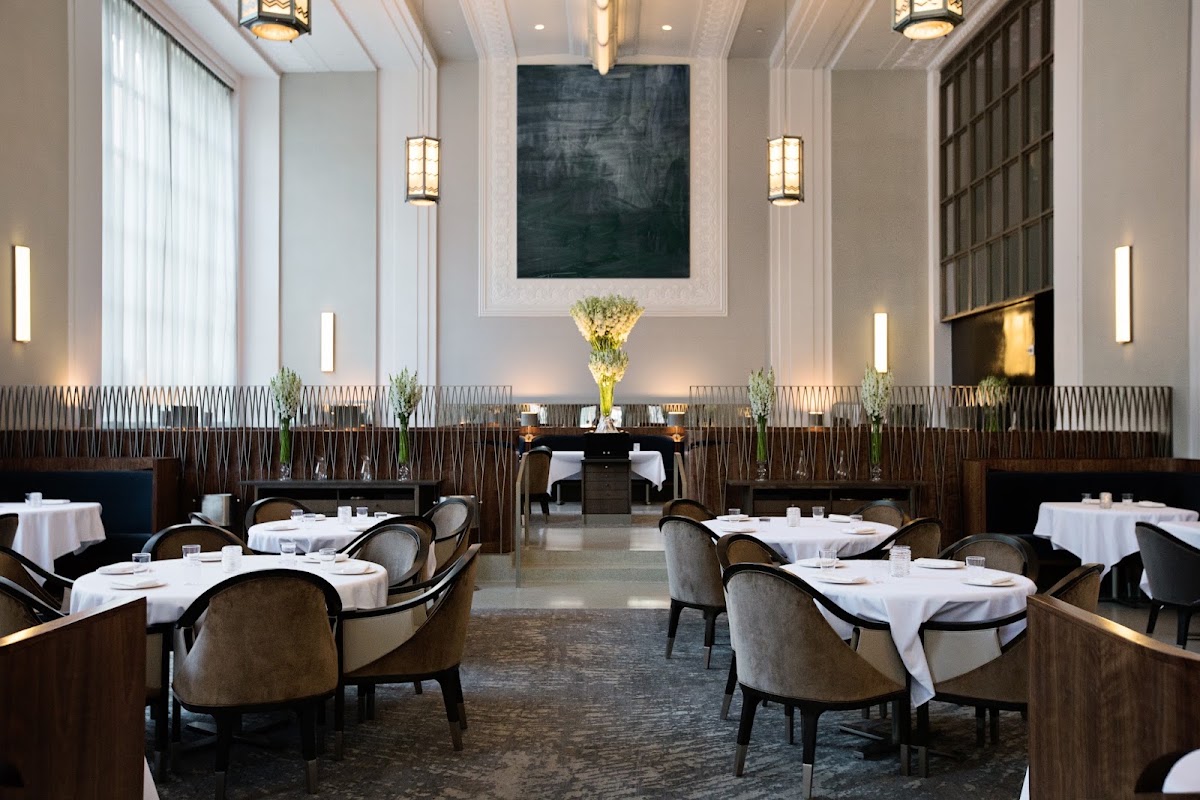
When Daniel Humm announced in 2021 that Eleven Madison Park would abandon meat and seafood entirely, he wasn't hedging. The decision was absolute—a moral stance dressed up as culinary ambition. What followed was a masterclass in how good intentions collide with unforgiving realities. Critics didn't just dislike the plant-based menu; they dismantled it. Dishes were described as tasting like industrial cleaning products, smelling like burnt cannabis. The New York Times reviews were scathing enough to threaten the restaurant's survival. Humm himself later admitted the brutal truth: "If I would have known how hard this would be, I would have never done this."
Now, in 2025, Eleven Madison Park has reintroduced meat and seafood. Butter-poached lobster, lavender honey duck, and doppio ravioli with spinach and ricotta are back on the menu. For some critics, this represents a return to sanity—the restoration of the luxury proteins that made the restaurant legendary. But for others, it reads as capitulation, a retreat from principle under commercial pressure. The restaurant that once commanded unquestioned reverence is now synonymous with wavering conviction.
The real damage isn't the menu pivot itself. Restaurants evolve. The damage is the narrative of failure that now precedes every course. When a diner sits down at Eleven Madison Park in 2025, they're not experiencing a meal; they're witnessing a restaurant in recovery, still proving it can get back to being good. That's a burden no tasting menu should carry. The three-star establishment's crisis of identity has become New York's crisis of trust.
What's most troubling is that Humm's plant-based experiment wasn't inherently flawed—it was simply executed at the wrong restaurant, in the wrong moment, for an audience primed to resist. A chef with less pedigree might have quietly refined the concept over years. Humm had no such mercy. He swung the sword, missed, and is now paying the price in credibility. The question facing Eleven Madison Park isn't whether it can serve exceptional food again. It's whether anyone still believes in its conviction to know what it wants to be.
For now, the restaurant exists in an uncomfortable middle ground. Traditionalists are relieved but skeptical. Sustainability advocates feel betrayed. And the rest of New York watches with the schadenfreude reserved for the mighty brought low. Eleven Madison Park's decline is a cautionary tale about what happens when philosophy and pragmatism collide at three Michelin stars.