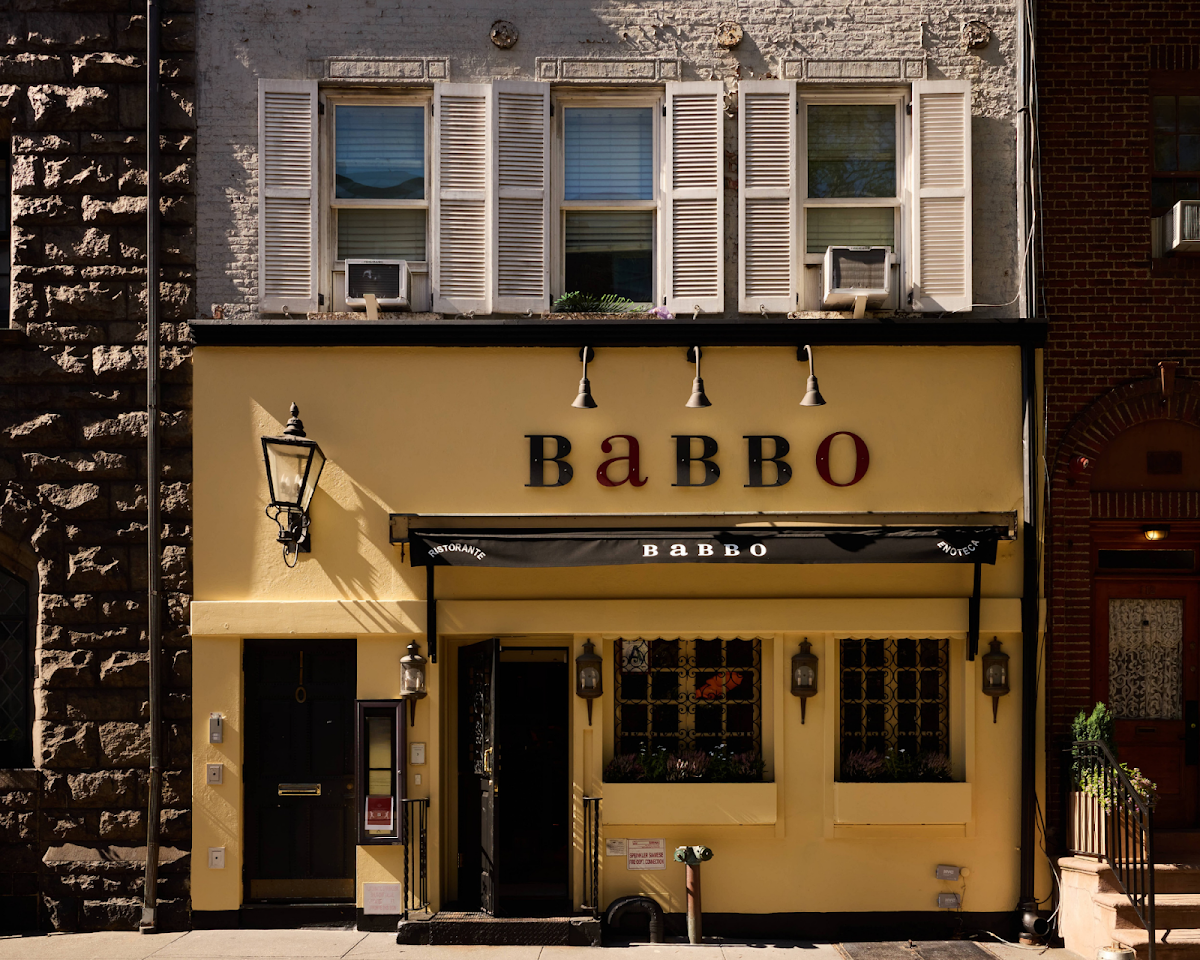
All houses are haunted, Hilary Mantel wrote, and Babbo—that Greenwich Village institution that defined early-aughts New York fine dining before its long absence—proves the point. The restaurant's return, under the stewardship of chef Mark Ladner and restaurateur Stephen Starr, carries the weight of memory like dust on old furniture. Ligaya Mishan, one of the New York Times' newly appointed co-chief restaurant critics, opens her February 2026 review with Mantel's line, immediately signaling that this is not a simple restoration but a reckoning with a complicated legacy.
What makes Babbo's return urgent now is not just the nostalgia factor—though that certainly exists. It's that Mishan's two-star review suggests Ladner has resisted the temptation to merely resurrect the past. The dishes that earned the restaurant its original cachet remain: beef cheek ravioli, squab livers, Detroit-style lasagna under white tablecloths. But there's a difference between preservation and homage, and the review implies Ladner understands it. The hiss of Italian tradition—precise, demanding, unforgiving—still animates the kitchen, but it's channeled through a contemporary sensibility.
The timing of this review also marks a transition in critical power. Mishan, taking her seat among the Times' co-chief critics alongside other newly appointed voices, brings her own lens to the city's restaurant scene. Her choice to lead with literary gravitas rather than breathless enthusiasm sets a tone: Babbo matters not because it's back, but because what it represents—the possibility of real change within tradition—matters. The restaurant becomes a test case for whether New York's restaurant landscape can support both memory and evolution.
For diners, the question is whether Babbo's ghosts are worth confronting. The answer, according to Mishan, is yes—but not uncritically. The two-star rating is neither a coronation nor a dismissal, but rather an acknowledgment that something real is happening in that Greenwich Village kitchen. Ladner and Starr have chosen not to chase a phantom version of the restaurant's former self, but instead to build something that acknowledges where Babbo came from while refusing to be trapped there. In a city obsessed with novelty, that restraint alone is radical.