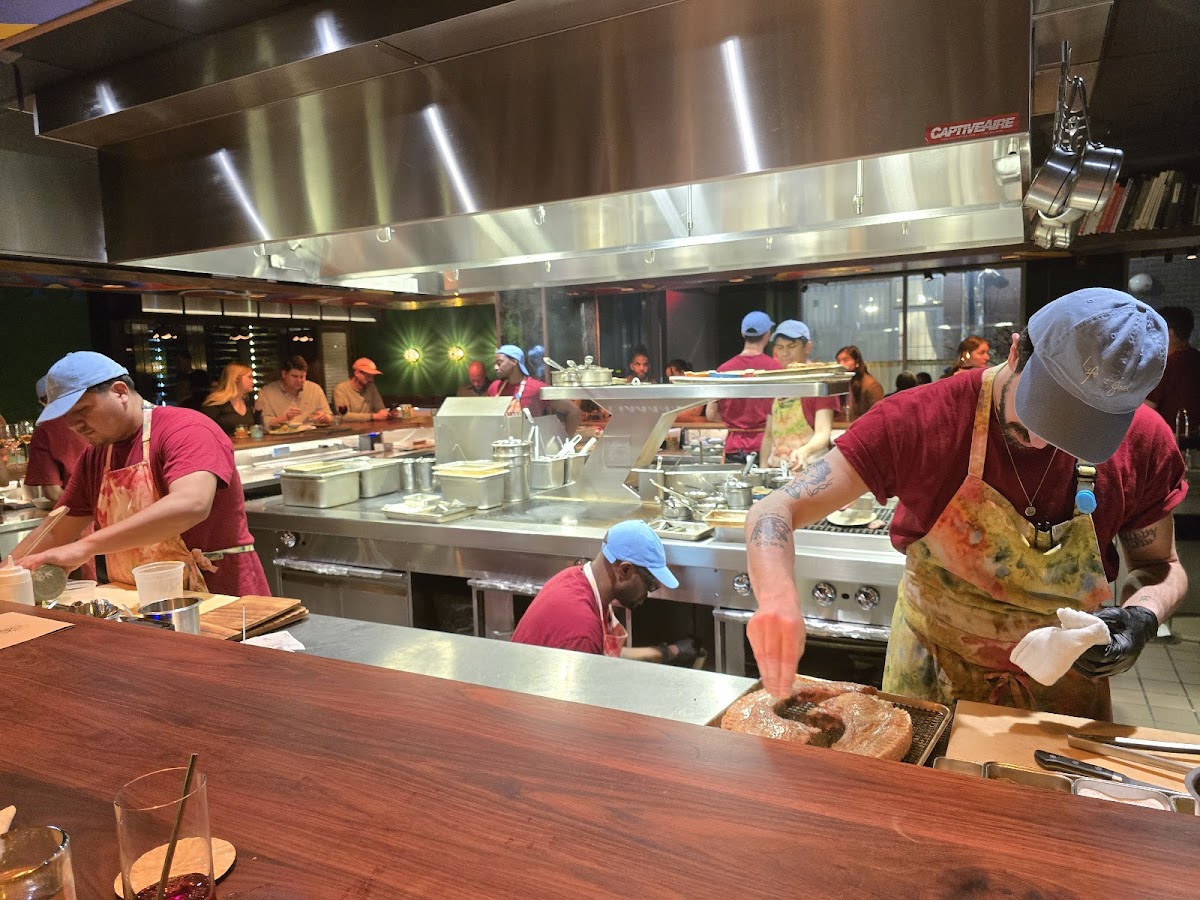
For the first time in the New York Times' annual ranking of the city's 100 best restaurants, a Caribbean restaurant sits at the top. That restaurant is Kabawa, Chef Paul Carmichael's ambitious venture in the East Village, which Ligaya Mishan—the paper's co-chief critic—crowned #1 after visiting over 100 restaurants across all five boroughs. The recognition isn't ceremonial. It reflects a fundamental shift in how New York's food establishment values cuisines that have historically occupied the margins of fine dining.
Located at 8 Extra Place in the former Momofuku Ko space, Kabawa operates under the Momofuku banner but charts its own course entirely. Mishan praised Carmichael's "gutsy pleasures," a phrase that captures the restaurant's refusal to soften or prettify its ingredients. An "elaborate overture of chutneys and breads" greets diners before the three-course prix fixe menu ($145 per person) even begins—a smart move that sets expectations for what's to come: bold, layered, unapologetic food.
The menu demonstrates genuine technique in service of flavor rather than restraint. Pepper shrimp arrives with habanero that announces itself. Goat shoulder, braised and tender, carries the weight of careful sourcing and long cooking. Jerk duck sausage and roti filled with curry chickpeas and eggplant show how Carmichael works between traditions—respecting them while pushing into new territory. A braised goat with spicy scallop creole combines textural and flavor contrasts that shouldn't work but do. Mishan noted that Carmichael deployed "an arsenal's worth of habanero," and there's no apology in that assessment. Heat isn't incidental here; it's structural.
What makes Kabawa's ascent significant isn't just that it's excellent—though it clearly is. It's that a Caribbean restaurant, working with the ingredients and traditions of a diaspora cuisine, has been deemed worthy of the city's highest culinary honor. This is the table that needed setting. Go soon, and bring your appetite for real spice.