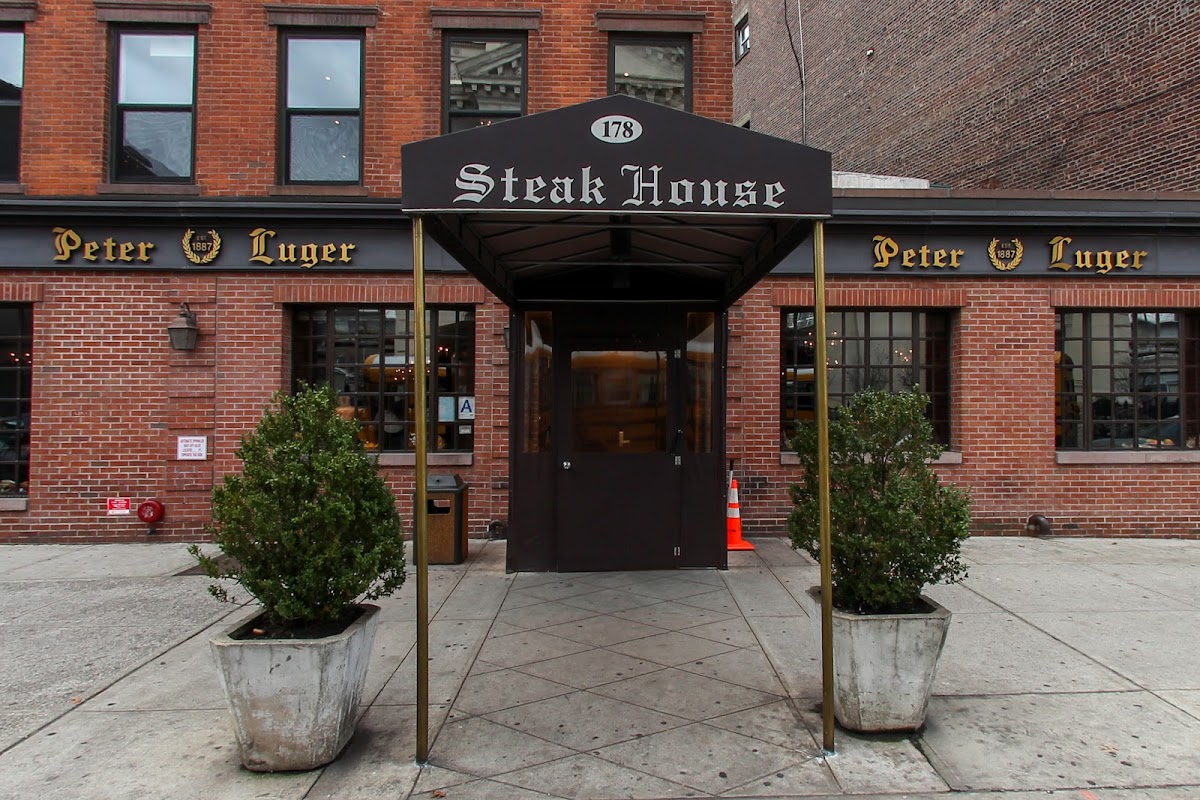
Peter Luger didn't become controversial overnight. For 132 years, the Williamsburg steakhouse operated with the confidence of an institution that didn't need to justify itself. Then Pete Wells arrived with a zero-star review that read like a prosecution, describing rude service, gray potatoes, and inconsistent steaks—a takedown that cost the restaurant its Michelin star and fractured the city's critical consensus. Suddenly, defenders and detractors were forced to ask: Has Peter Luger failed, or have we failed to understand what Peter Luger actually is?
Wells' criticisms aren't fabricated. The German fried potatoes—once brown and crunchy—are now mushy and dingy, sometimes arriving cold. The steaks don't always sing with the pinkness they promise. The service can feel less like hospitality and more like a necessary obstacle between you and your meal. These aren't minor details at a restaurant charging $68 for a porterhouse. They're the entire contract.
But here's where the split emerges. The Infatuation's defense isn't wrong either: if you come expecting exactly what Peter Luger has always delivered—big, perfectly pink steaks, impeccable creamed spinach, wedge salads with a bacon-to-lettuce ratio of one-to-one—you'll have a great time and shouldn't overthink it. The problem is that "shouldn't overthink it" has become the restaurant's actual marketing pitch, a reversal that should trouble us more than it does. Peter Luger isn't asking you to trust it anymore; it's asking you to accept its inconsistency as part of the charm.
The real issue isn't decline or preservation—it's permission. Peter Luger has somehow convinced diners that paying premium prices for uneven execution is acceptable if the intention is pure. That's not steakhouse tradition. That's the privilege of institutional age. The shrimp cocktail is still competent. The creamed spinach still carries weight. But competence and weight aren't enough when the porterhouse—the entire reason you're there—is playing Russian roulette with your $200 check.
Wells was right to hold the line. But so were his critics, in a way: Peter Luger will always fill its tables because some diners genuinely don't care about consistency, because the wood-paneled room still feels like stepping into New York's past, and because wanting to believe in the legend is its own form of hunger. The question isn't whether to go. It's whether you're prepared to accept that you might be paying for memory rather than meat.