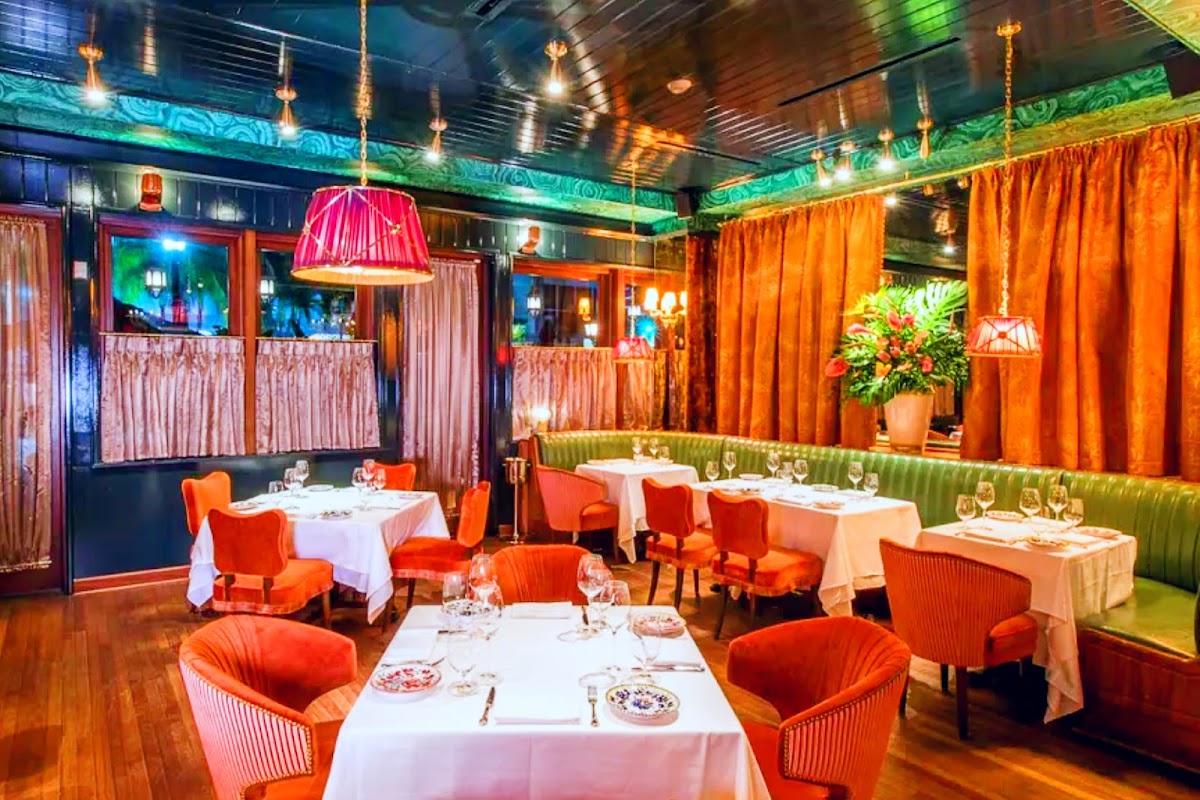
Walk into Carbone on any given night and you're stepping into a carefully curated fantasy: red leather banquettes, dramatic lighting, waiters who move with balletic precision, and the unmistakable buzz of a room where everyone knows they're being watched. This is Italian-American dining as theater, and the production design is impeccable. The problem is that impeccable staging doesn't automatically make for impeccable food—or, more pressingly, impeccable value.
The menu reads like a greatest hits album of the genre: spicy rigatoni vodka, veal parmigiana, Mario's meatballs, ravioli with ricotta and meat sauce. These are dishes that should sing from muscle memory, from generations of repetition. At Carbone, your pasta will taste like good pasta. It might not be the best noodle you've ever eaten, but it certainly won't be the worst. The lemon cheesecake arrives precisely calibrated, neither too dense nor too light. Everything is competent. Everything is also several hundred dollars lighter from your wallet.
This is where the Carbone divide reveals itself most sharply. Some diners see a masterclass in genre recreation—a restaurant that understands Italian-American dining not as something to deconstruct or elevate, but to honor through meticulous execution. For them, Carbone justifies its prices through sheer dedication to doing one thing extremely well. Others see expensive theater that's mistaken itself for substance, a place where Instagram potential outweighs actual innovation, where you're paying for the room rather than the risotto.
The backlash has become its own form of currency. It's cool to hate Carbone, and hating it publicly—posting lengthy critiques about disappointing pasta and soul-crushing prices—has become almost as much a New York ritual as going there. People spend several hundred dollars, leave unsatisfied, and immediately broadcast their disappointment, hoping it will go viral. This performative criticism mirrors the restaurant's own performativity, creating a strange loop where the hype machine feeds both the fans and the detractors.
What Carbone actually represents is a question worth asking: What do we owe restaurants that execute brilliantly within a narrow vision? Must innovation justify prices? Does theatrical presentation inherently undermine authenticity? The restaurant doesn't answer these questions—it simply insists on its right to ask them while charging $38 for pasta. Whether you find that compelling or infuriating probably says more about your New York than it does about Carbone.