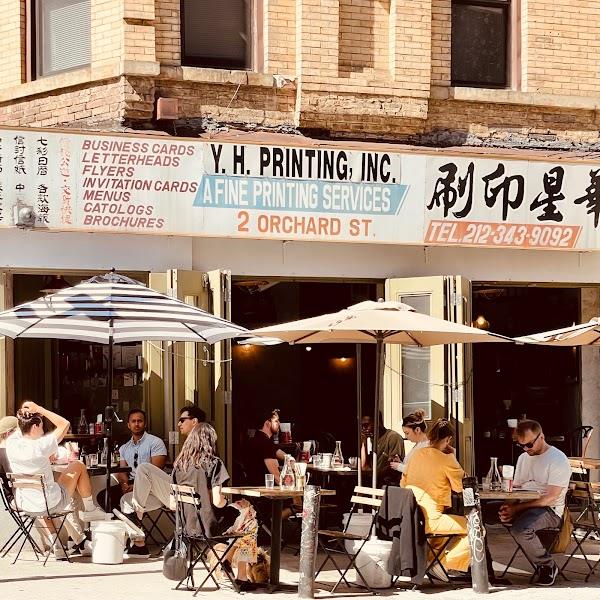
There are restaurants that inspire consensus, and then there's Kiki's, where the gap between champions and detractors is so wide it feels like they're describing different establishments entirely. A Greek diner with traditional ambitions, Kiki's has become a proving ground for what happens when execution becomes inconsistent enough to fracture a restaurant's reputation along deeply personal lines.
The division isn't subtle. Defenders—particularly Greek customers with a frame of reference—speak of the kitchen going "above and beyond" with both food and service. These accounts suggest Kiki's, when firing on all cylinders, understands the assignment: properly executed Greek cooking backed by attentive hospitality. Yet this version of Kiki's appears to be an occasional visitor rather than a reliable presence. The more common complaint is sharper: overpriced plates of underwhelming food paired with service so inattentive that requesting water becomes a test of patience.
The specific failures paint a damning picture. Service issues don't register as minor oversights but as systemic indifference that begins at the top—reviewers point to management and ownership as sources of the dismissiveness. Grilled shrimp arrives stripped of sauce, octopus dishes lack the care they demand, and Greek appetizers don't compensate for the gaps elsewhere. When prices are high and basics like water service vanish, the math becomes unforgiving.
What makes Kiki's matter now is precisely this inconsistency. In a city with genuine Greek options, Kiki's can't rely on novelty or exclusivity. It has to deliver, and the evidence suggests it does so unpredictably—great enough sometimes to earn passionate loyalty, but unreliable enough that many diners have simply moved on to restaurants where excellence isn't a matter of luck.