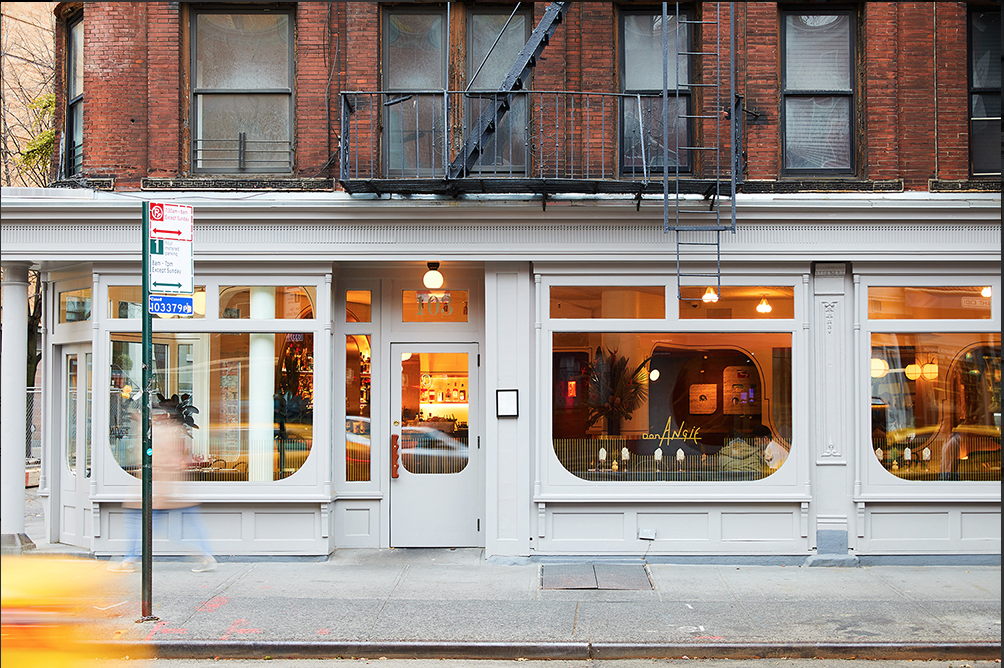
Don Angie arrived on the New York dining scene with the kind of momentum that makes reservation systems crash. Angela Rito and Scott Tacinelli's modern Italian-American restaurant earned its Michelin star in 2021 and a two-star New York Times review—accolades that transformed a single location into an impossible-to-book institution. On Resy, tables vanish in seconds. The restaurant has become as much about access as it is about food.
When you do secure a seat, the kitchen delivers undeniable technical skill. The pinwheel lasagna arrives as a precise spiral, each layer distinct and intentional. The chrysanthemum salad announces itself with delicate bitterness and floral notes that feel genuinely unexpected. A stuffed garlic flatbread satisfies in the way bread should—crisp exterior, pillowy interior, the kind of dish that makes you understand why Italian-American food endures. The spicy pepperoni fried rice and black cocoa tiramisu show a kitchen unafraid to move beyond tradition.
But here's where the consensus fractures. Some diners find themselves underwhelmed by prices that push $200 per person without wine, questioning whether innovation alone justifies the premium. "The food wasn't bad, but it wasn't incredible," one recent visitor noted. "Very expensive for ordinary food." Others defend Don Angie fiercely, crediting the restaurant with earning a deserved spot among the city's best Italian restaurants. The disagreement isn't about technique—it's about whether technique and novelty should command this particular price point.
The real problem may be expectation management. A restaurant that sells out in seconds generates mythology faster than any kitchen can deliver dishes. Don Angie is very good. It's technically accomplished. It's worth eating at once you've secured a table. But it's also a restaurant, not a revelation. The Michelin star is real. So is the sense among some diners that they've paid for hype rather than dinner.