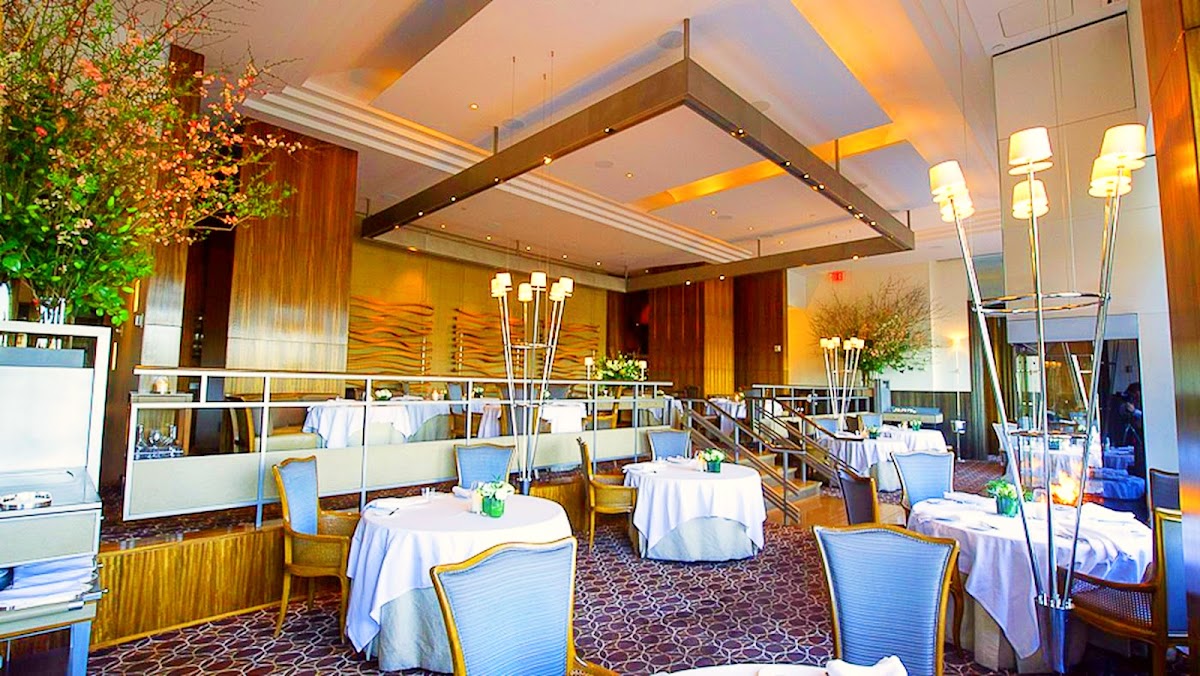
In April 2016, Pete Wells walked into Per Se and delivered what felt like a public execution. His review didn't just criticize the restaurant—it dismantled it. A lukewarm matsutake mushroom bouillon became "bong water." The service, historically polished to a mirror shine, was recast as smug and condescending. The four-star rating that had stood for a decade collapsed to two. New York's most prestigious restaurant, the one that required reservations months in advance and commanded prices that made even wealthy diners wince, was suddenly vulnerable.
But here's what made the Wells review truly significant: the restaurant's defenders didn't disappear. Chefs, longtime diners, and critics pushed back, questioning whether a single reviewer's palate should overturn the consensus of years. They had a point worth examining. Per Se's technical execution remains genuinely impressive—the butter-poached lobster still glistens with perfect doneness, the oysters and pearls still execute that tricky marriage of briny and creamy, the salmon tartare cornet still demonstrates architectural precision. These aren't accident. They're the product of obsessive detail.
Yet Wells wasn't wrong about everything. The service does carry an undercurrent of superiority; servers sometimes do give you the feeling that you work for them, not the other way around. And the price—roughly $325 before wine, tax, and tip—creates an expectation burden that even perfect execution struggles to meet. At that cost, a single misstep feels like a betrayal. When that matsutake bouillon arrives lukewarm, you're not thinking about craftsmanship. You're doing math.
The real conversation Per Se forces us to have isn't about whether Wells was right or wrong. It's about what fine dining owes its diners at this price point, and whether perfection in technique can survive imperfection in attitude. Per Se remains a restaurant where the kitchen knows exactly what it's doing. The question now is whether that's enough, or whether excellence demands something more—humility perhaps, or at least warmth. That's the tension the restaurant hasn't entirely resolved.
Seven years later, Per Se endures, still packed, still expensive, still defended and criticized in equal measure. It's a restaurant that no longer sits comfortably in anyone's narrative—not Wells', not its admirers', not even, perhaps, its own. That uncomfortable position might be the most honest place it's ever occupied.